
The World of Guitar Tunings
Oosthaven's Music
The World of Guitar Tunings
Guitar playing is a fascinating journey of exploration and creativity. Beyond the familiar standard tuning, there exists a vast array of alternate tunings that can unlock unique sonic landscapes, allowing musicians to explore new territories of sound.
These alternative tunings not only offer distinct tonalities but also influence the way we approach chords, melodies, and techniques. In this blog post, we’ll delve into the most commonly used guitar tunings, their characteristics, and the artists who have embraced them. So, grab your guitar, prepare to retune, and embark on a sonic adventure that will expand your musical horizons.
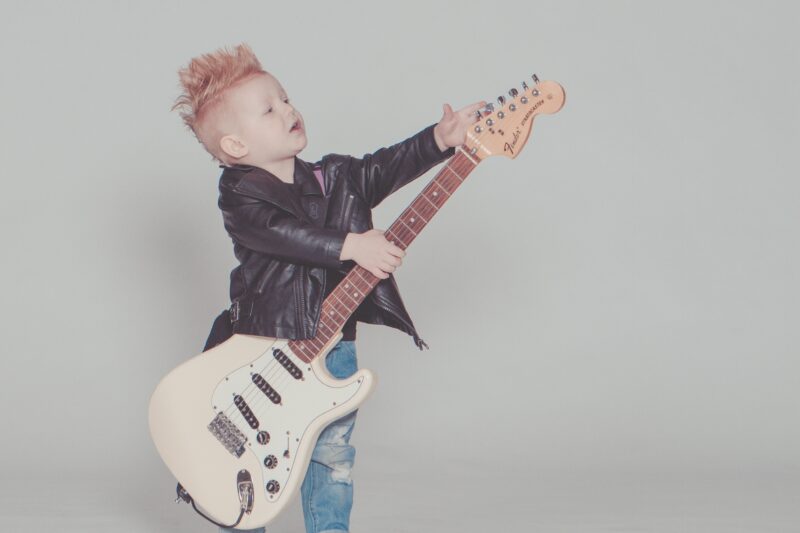
So, let’s begin. Here’s the most common common guitar tunings.
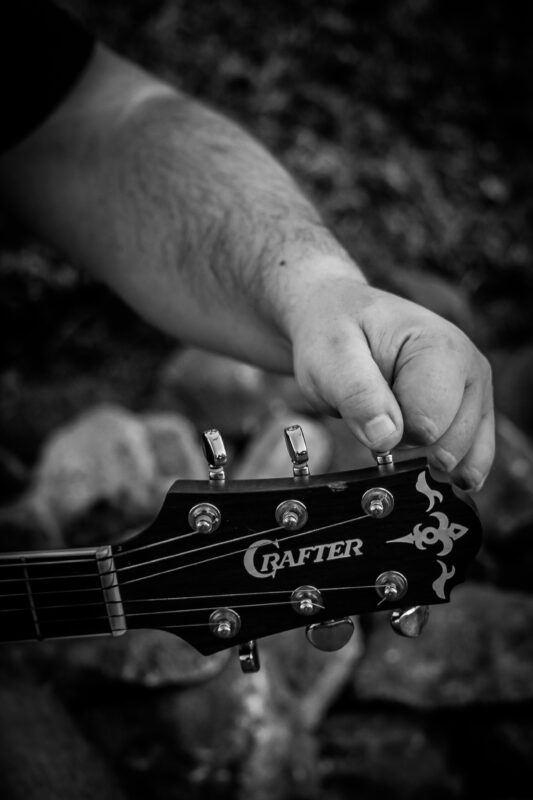
-
Standard Tuning (EADGBE): Let’s begin with the foundation of guitar playing – standard tuning. This is the most widely used tuning, with the strings tuned to E, A, D, G, B, and E from low to high. It provides a versatile and familiar starting point, enabling players to navigate various musical genres effortlessly.
-
Drop D Tuning (DADGBE): Drop D tuning involves lowering the low E string to a D, creating a powerful and rich sound. This tuning is popular in rock, metal, and folk music, as it allows for heavy riffs, power chords, and easy access to low notes while maintaining the familiarity of standard tuning.
-
Open G Tuning (DGDGBD): Open G tuning is favored by many blues and slide guitar players. By tuning the guitar to D, G, D, G, B, D, you create a major chord when strumming the open strings. This tuning facilitates slide techniques and encourages creative exploration of bluesy, soulful sounds.
-
DADGAD Tuning: DADGAD tuning is widely associated with Celtic and folk music. It offers a unique and open tonal palette by tuning the guitar to D, A, D, G, A, D. This tuning allows for rich, resonant chords and lends itself well to fingerpicking and creating atmospheric, introspective moods.
-
Open D Tuning (DADF#AD): Open D tuning, frequently used in slide guitar playing, has a rich and full-bodied sound. By tuning the strings to D, A, D, F#, A, D, you create a major chord when strumming the open strings. It provides a fantastic foundation for slide techniques and lends itself well to blues, folk, and Americana styles.
-
Open E Tuning (EBEG#BE): Open E tuning is similar to open D, but with all the strings tuned up a whole step. This results in a brighter sound. By tuning the guitar to E, B, E, G#, B, E, you create a major chord when strumming the open strings. It is favored by blues and rock guitarists, as it facilitates slide playing and allows for vibrant, expressive melodies.
-
Half-Step Down Tuning (Eb Ab Db Gb Bb Eb): Popularized by bands like Guns N’ Roses and Black Sabbath, half-step down tuning involves lowering each string by one half-step. This tuning adds depth and heaviness to the sound, making it suitable for hard rock and metal genres.
Exploring different guitar tunings opens up a world of sonic possibilities and fuels creativity. From the versatility of standard tuning to the unique character of alternative tunings like open G, DADGAD, and more, each tuning brings its own distinct flavor to the guitarist’s repertoire. Whether you’re seeking to expand your musical horizons or looking for inspiration, experimenting with different guitar tunings can breathe new life into your playing and help you discover your own unique sound. So grab your guitar, embrace the adventure, and let the strings lead you to uncharted musical territories.